


Innovative Residential and Commercial Building Solutions
- Apr 23
- 4 min read
When it comes to creating spaces that truly serve our needs, innovation in building design is key. Whether you’re dreaming of a cozy home or a bustling commercial hub, the way buildings are designed today is changing fast. I’m excited to share some fresh ideas and practical tips about mixed-use building designs that blend residential comfort with commercial convenience. These designs are not just about aesthetics; they’re about making life easier, more sustainable, and more connected.
If you’re considering a new project or renovation, understanding these innovative approaches can help you make smart choices. Let’s dive into what makes mixed-use buildings so special and how they can benefit you.
Exploring the Benefits of Mixed-Use Building Designs
Mixed-use building designs combine different functions—like living spaces, shops, offices, and entertainment—into one cohesive structure. This approach is gaining popularity because it offers several advantages:
Convenience: Imagine stepping out of your apartment and having a coffee shop or grocery store just downstairs. Mixed-use buildings make daily errands and socializing effortless.
Community Feel: These designs encourage interaction among residents and visitors, fostering a sense of belonging.
Sustainability: By reducing the need for long commutes, mixed-use developments help lower carbon footprints.
Economic Growth: They attract businesses and residents alike, boosting local economies.
For example, a building might have retail stores on the ground floor, offices on the next few floors, and apartments above. This setup maximizes space and creates a vibrant environment where people can live, work, and play.

If you’re interested in exploring these options, companies like Tru-Pro Construction specialize in innovative residential and commercial building projects that bring these ideas to life.
Key Features That Make Mixed-Use Building Designs Stand Out
What sets mixed-use buildings apart? Here are some features that designers focus on to create functional and attractive spaces:
Flexible Layouts
Spaces that can adapt to different uses over time are a huge plus. For instance, a commercial space might be converted into a co-working area or a small café as community needs change.
Smart Technology Integration
From energy-efficient lighting to smart security systems, technology enhances comfort and safety. Automated climate control and app-based access are becoming standard.
Green Spaces and Natural Light
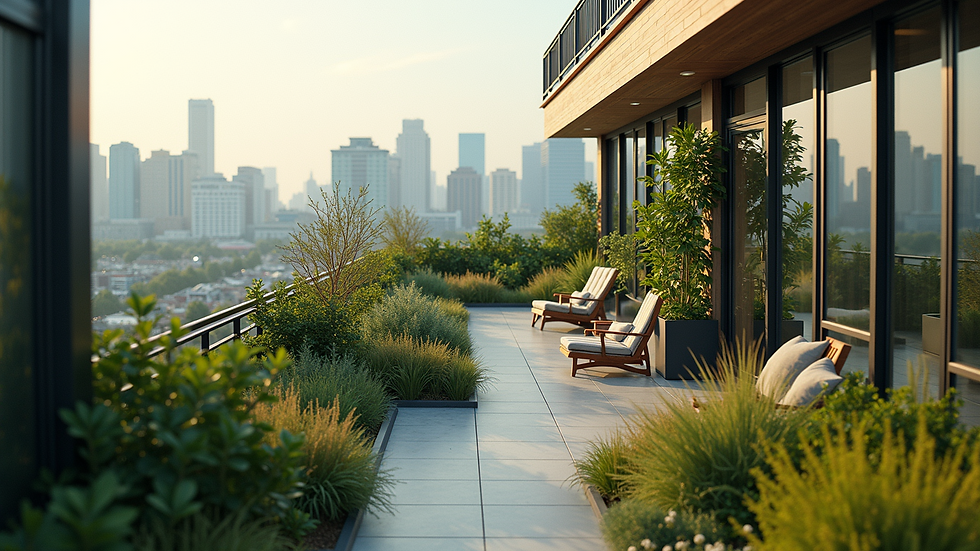
Incorporating rooftop gardens, courtyards, and large windows improves air quality and mood. These elements make buildings more inviting and healthier.
Accessibility and Connectivity
Easy access to public transportation, bike storage, and pedestrian-friendly pathways encourages sustainable travel and inclusivity.
Noise and Privacy Management
Thoughtful soundproofing and layout planning ensure that residents enjoy peace while commercial activities thrive below.
By focusing on these features, mixed-use buildings become more than just structures—they become vibrant parts of the community.
What are the three types of building?
Understanding the types of buildings helps clarify how mixed-use designs fit into the bigger picture. Generally, buildings fall into three categories:
Residential Buildings: These are homes, apartments, and condos where people live. They focus on comfort, privacy, and personal space.
Commercial Buildings: These include offices, retail stores, restaurants, and other business spaces. They prioritize functionality, customer access, and visibility.
Industrial Buildings: Factories, warehouses, and manufacturing plants fall here. They are designed for heavy-duty use and logistics.
Mixed-use buildings cleverly combine residential and commercial elements, sometimes even including light industrial or community spaces. This blend creates dynamic environments that serve multiple purposes without sacrificing quality or style.

Practical Tips for Planning Your Mixed-Use Building Project
If you’re thinking about investing in a mixed-use building or renovating an existing property, here are some actionable tips to guide you:
Start with a Clear Vision
Define what you want the building to achieve. Is it more about residential comfort, commercial success, or a balanced mix?
Work with Experienced Professionals
Partner with contractors and architects who understand local regulations and community needs. They can help you navigate zoning laws and design challenges.
Prioritize Sustainability
Choose energy-efficient materials and systems. Consider solar panels, rainwater harvesting, and green roofs to reduce environmental impact.
Plan for Future Growth
Design spaces that can evolve. Flexible walls, modular furniture, and multi-purpose rooms add value over time.
Engage the Community
Get feedback from neighbors and potential users. Their insights can improve design and ensure the building fits well within the neighborhood.
By following these steps, you’ll be well on your way to creating a space that’s both innovative and practical.
Why Choose Local Expertise for Your Building Needs?
When it comes to construction and renovation, local knowledge is invaluable. A company rooted in the community understands the unique challenges and opportunities of the area. They’re familiar with local codes, weather conditions, and the preferences of residents.
Choosing a local contractor like Tru-Pro Construction means you get:
Personalized Service: They listen to your needs and tailor solutions accordingly.
Reliable Communication: Being nearby makes it easier to stay updated and involved.
Quality Workmanship: Local reputation depends on delivering excellent results.
Community Commitment: They care about building lasting relationships and contributing positively to the area.
Investing in local expertise ensures your project runs smoothly and meets your expectations.
Innovative mixed-use building designs are reshaping how we live and work. By blending residential comfort with commercial convenience, these spaces offer a smarter, more connected way of life. Whether you’re planning a new build or a renovation, embracing these ideas can lead to a more vibrant and sustainable future.
If you want to explore how these concepts can work for you, don’t hesitate to reach out to professionals who specialize in residential and commercial building. They can help turn your vision into reality with skill and care.


